
IFEDD
Initiative des Femmes Entrepreneurs pour le Développement Durable · non-profit (asbl)
The organisation behind Tazama is a Congolese non-profit founded in Goma in 2016. IFEDD works for sound management of natural resources, respect for human rights in and around mining sites, and the economic empowerment of women and vulnerable communities.
Mandate
Promote and influence respect for human rights in and around mining sites, while empowering vulnerable communities through initiatives focused on entrepreneurship, environmental protection and social justice.
Sound management of natural resources that takes community development needs and environmental protection into account, at local and national level and across the Great Lakes sub-region.
Values: innovation, trust, participation, excellence, transparency and respect.
What IFEDD works on
Six intervention areas, from mining communities to digital tools, documented in the organisation's annual reporting.
Mining communities
Protection and development of communities in and around artisanal and industrial mining sites: human rights, child labour, community development obligations.
Supply-chain monitoring
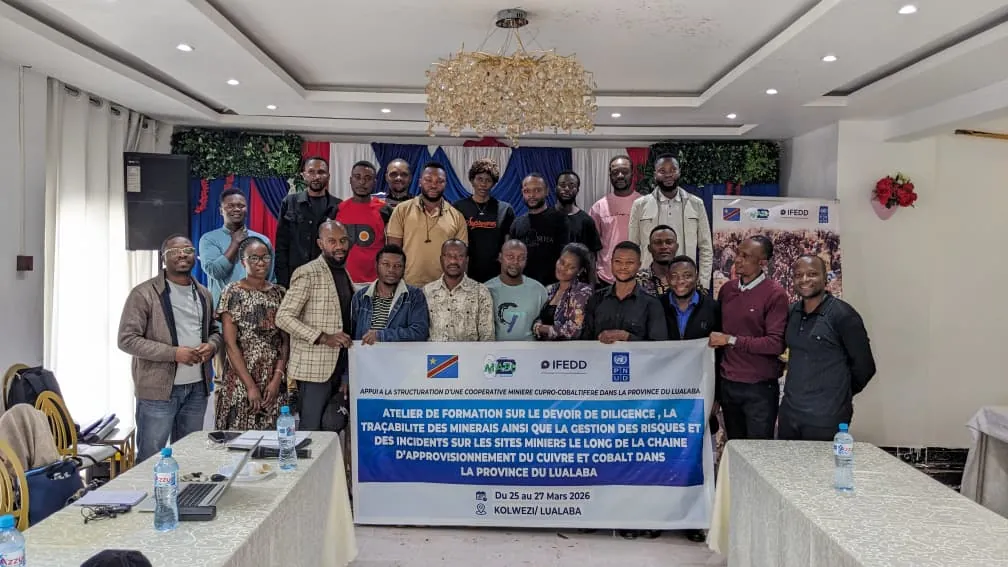
Due diligence and traceability along mineral supply chains (gold, 3T, copper, cobalt), anti-fraud work and the structuring of mining cooperatives.
Gender, equality & inclusion
Women's rights and leadership in mining areas, prevention and documentation of gender-based violence, inclusion of marginalised groups.
Economic empowerment
Income-generating activities, village savings and loan groups, financial inclusion and entrepreneurship for women and young people.
Health & environment
Community health and environmental protection in mining zones, from reproductive health to environmental safeguards.
Digital innovation
Home-grown digital tools for civil society: Tazama, the Efficacity System and the Akiba-Heri savings application.
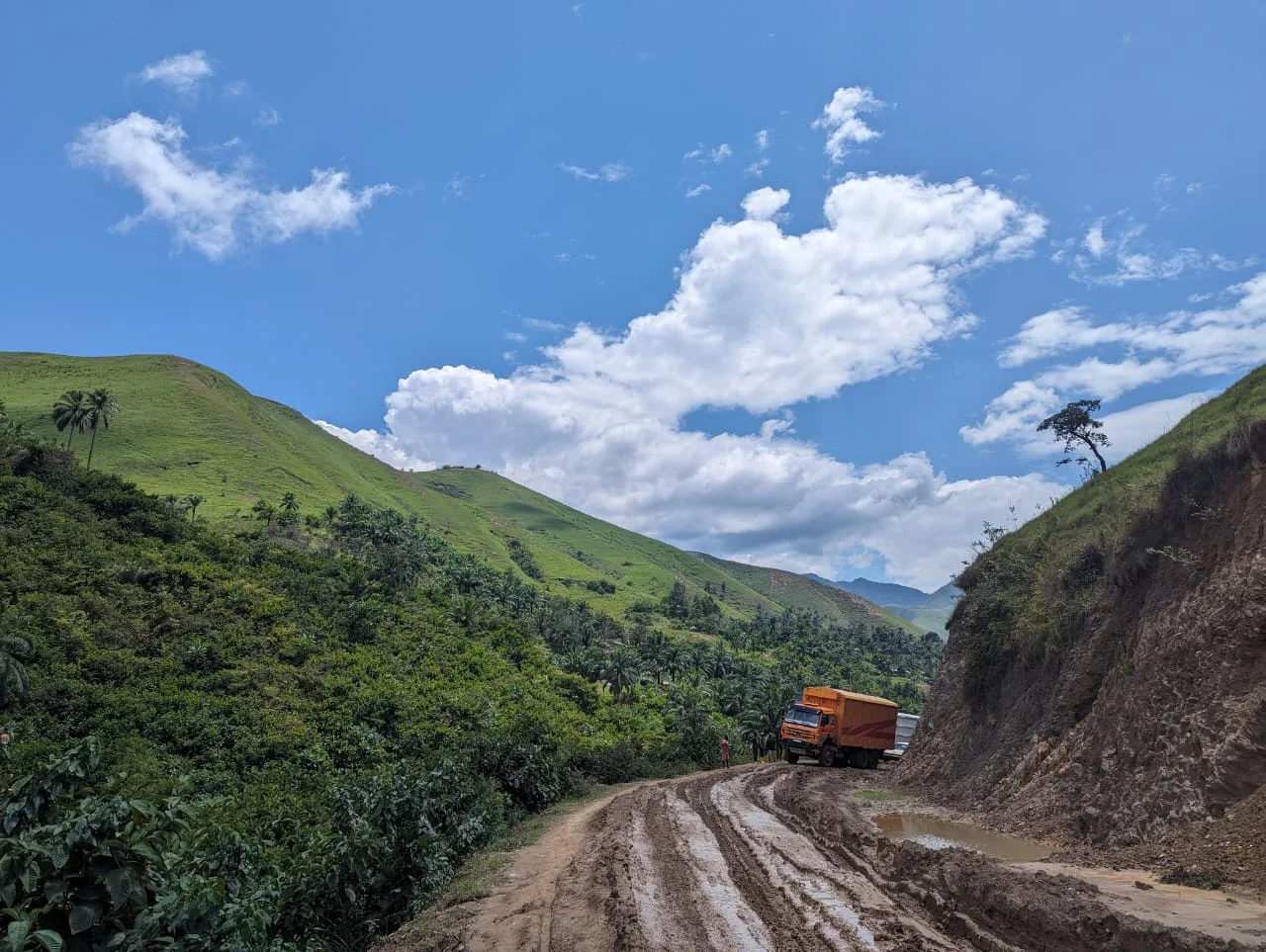
From a hackathon prize to a community-owned register
IFEDD's digital work began in 2022, when the organisation won an ILO innovation prize for a digital system to monitor child labour in mining areas. That experience grew into a family of home-grown tools built and operated from Goma.
Tazama was designed with the support of UN Women and launched to document conflict-related gender-based violence incidents in Djugu, Ituri: live incident reporting, GPS localisation, victim referral and consolidated dashboards, with each organisation keeping ownership of its records. It now serves local NGOs and civil society organisations across the region.
Public history
A decade of field work, documented in IFEDD's own publications and those of its partners.
- 2016
Founded in Goma
IFEDD is created in Goma, North Kivu, as a women-led non-profit working on responsible natural-resource management and human rights in mining communities.
- 2020
Women's voices in artisanal mining
The project "Faire entendre la voix des femmes" amplifies women's role in the protection of human rights and the environment in small-scale mining.
- 2021
National registration and mining oversight
IFEDD obtains national registration and supports local bodies monitoring mining operators' community-development obligations in North Kivu, with GIZ and The Carter Center.
- 2022
ILO innovation prize
IFEDD wins an ILO hackathon prize for a digital child-labour monitoring system, and trains 500 beneficiaries in Goma under a World Bank-funded skills programme.
- 2023
Clean gold and child-labour research
Due-diligence monitoring at gold cooperatives in South Kivu under the USAID-funded Zahabu Safi programme, and a child-labour impact study in Masisi for the ILO.
- 2024
Tazama goes live
With the support of UN Women, IFEDD launches Tazama in Djugu, Ituri, documenting 138 conflict-related GBV incidents. Work continues on child labour in Lualaba's cobalt belt (ILO, Alliance 8.7) and cooperative governance with UNDP.
- 2025–26
Crisis response and peace work
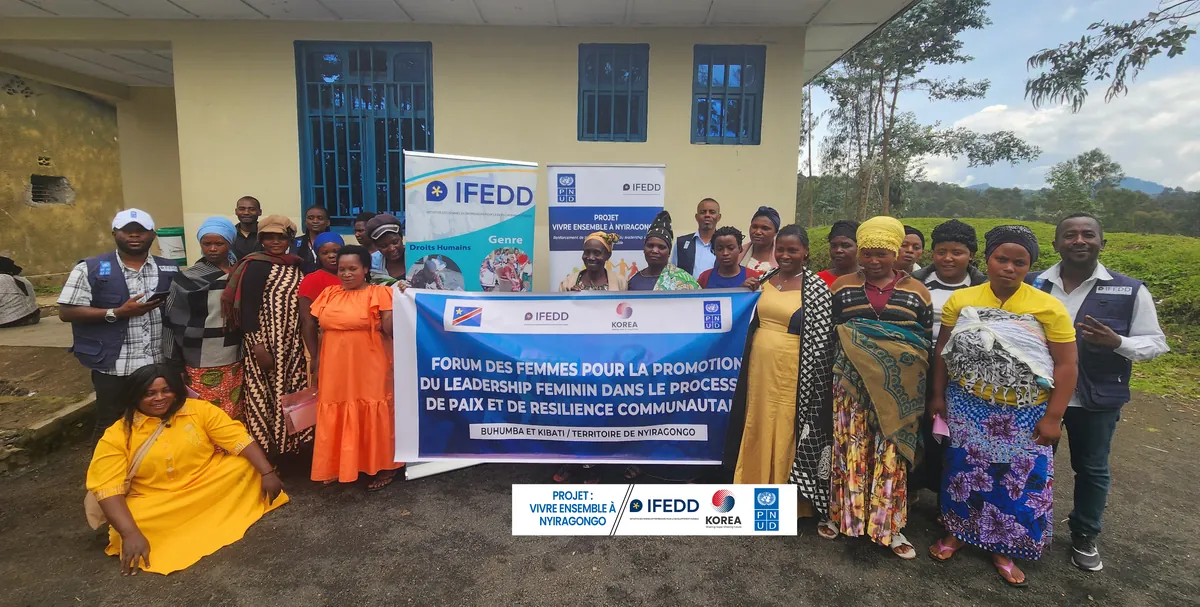
Crisis-response projects funded by Sweden through UNDP, the "Vivre Ensemble" peace project in Nyiragongo, and GBV-prevention and peace work across South Kivu and Ituri.
In the field
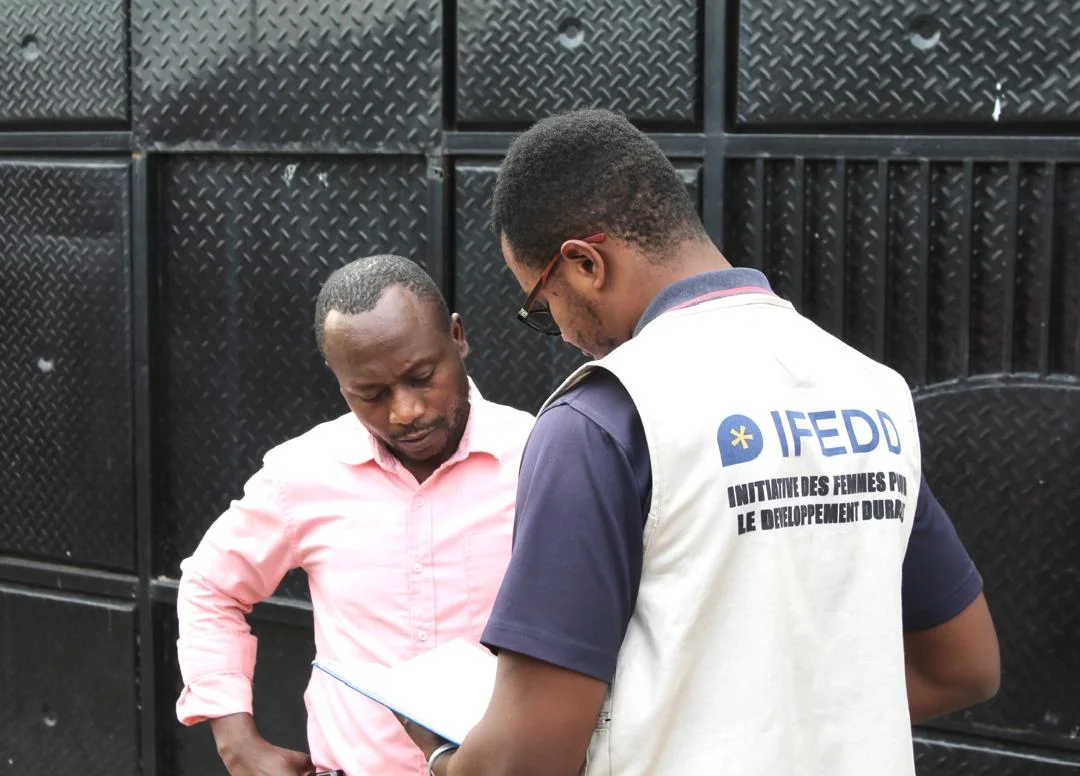
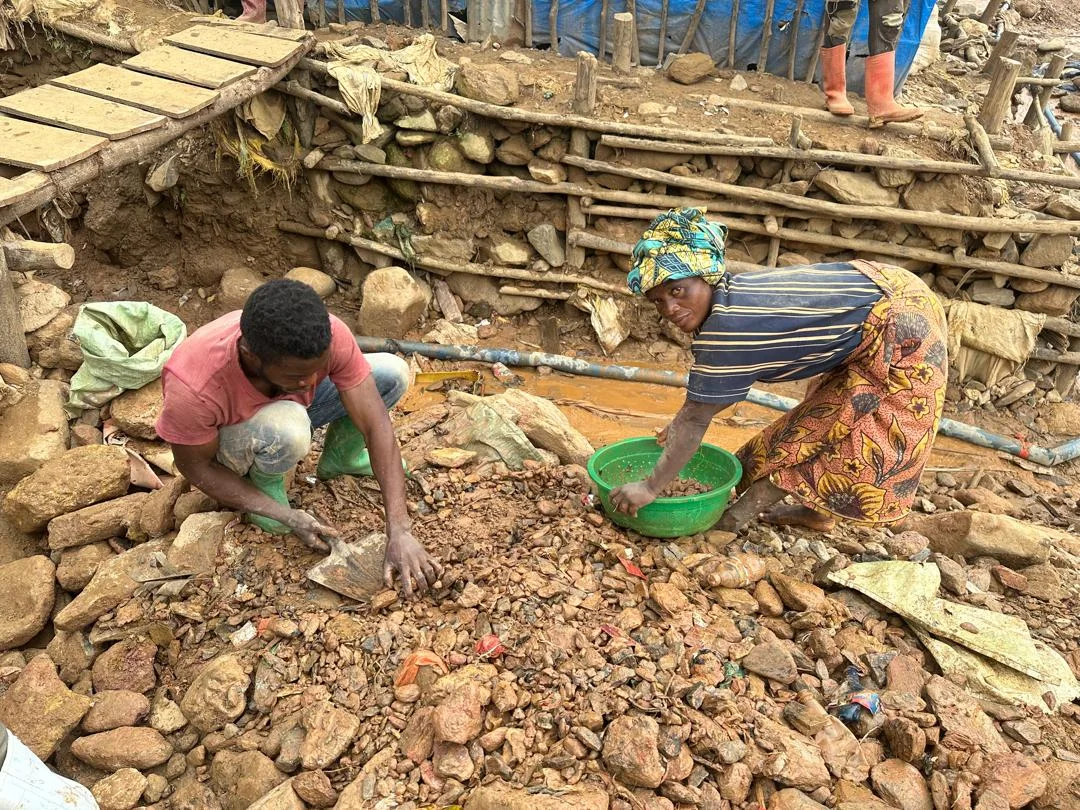
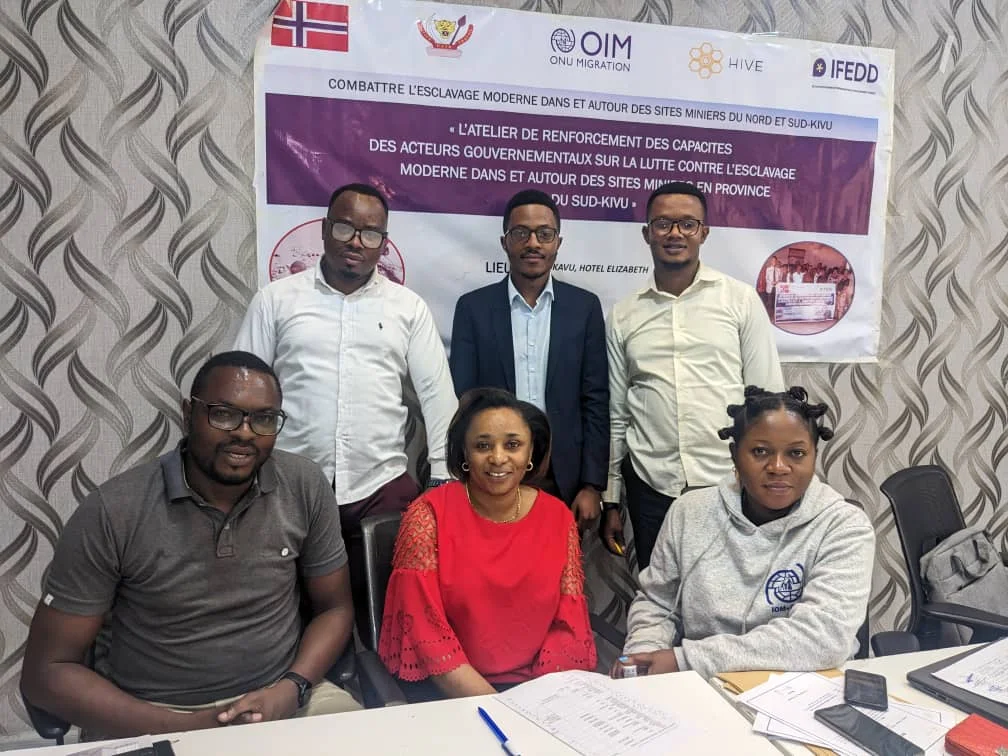
Partners & funders










Work with IFEDD
IFEDD operates Tazama from Goma and supports organisations that want to put their information to work.